

Four-person engineering practice

We design, build and secure the systems your business actually runs on.

Consultation, ERP, cybersecurity, automation, app development and web development, delivered by the same four people from the first meeting to the handover. Nothing is passed to another vendor, because there is no other vendor.

Book a thirty-minute call See how an engagement runs

A team standing at a whiteboard covered in coloured sticky notes, working through a problem together.
The first session. Most of the useful information arrives in a room like this one, not in a questionnaire.

Who we work with

  • A two-person firm
  • A growing manufacturer
  • A school or a clinic
  • An agency
  • A multi-site retailer
  • An in-house IT team

One team, whatever the size of yours.

Why people call

We are usually hired because something has stopped working.

Almost every enquiry that reaches us is one of these three shapes. If yours is different, say so and we will tell you honestly whether we are the right people.

  1. 01

    The system that was meant to help is now the bottleneck

    Orders sit in spreadsheets because the ERP cannot do what the business actually does. Reports take a week and arrive wrong. Nobody can say what the last rollout cost, or what half of it still does.

    What we actually do Specification before any licence is bought, then migration, custom modules where the standard model does not fit, and reporting the finance team trusts.

    Hands writing notes on paper beside a laptop.
  2. 02

    Nobody can say whether you are secure

    An insurer or an auditor has asked a question you cannot answer with evidence. The last person who looked found something uncomfortable and left. You do not know whether the worst has already happened.

    What we actually do Assessment of the estate you really run, a hardening baseline, audit-ready evidence, and an incident response plan that assumes it will be used.

    Two colleagues at a desk looking at a screen together.
  3. 03

    The tools your people use do not fit how they work

    Staff keep a shadow spreadsheet because the system cannot do the one thing they do all day. Someone has asked for a change and been told it would take nine months, so they stopped asking.

    What we actually do Internal apps and web tools built around the actual task, offline-capable where the signal is not, and handed over with the keys.

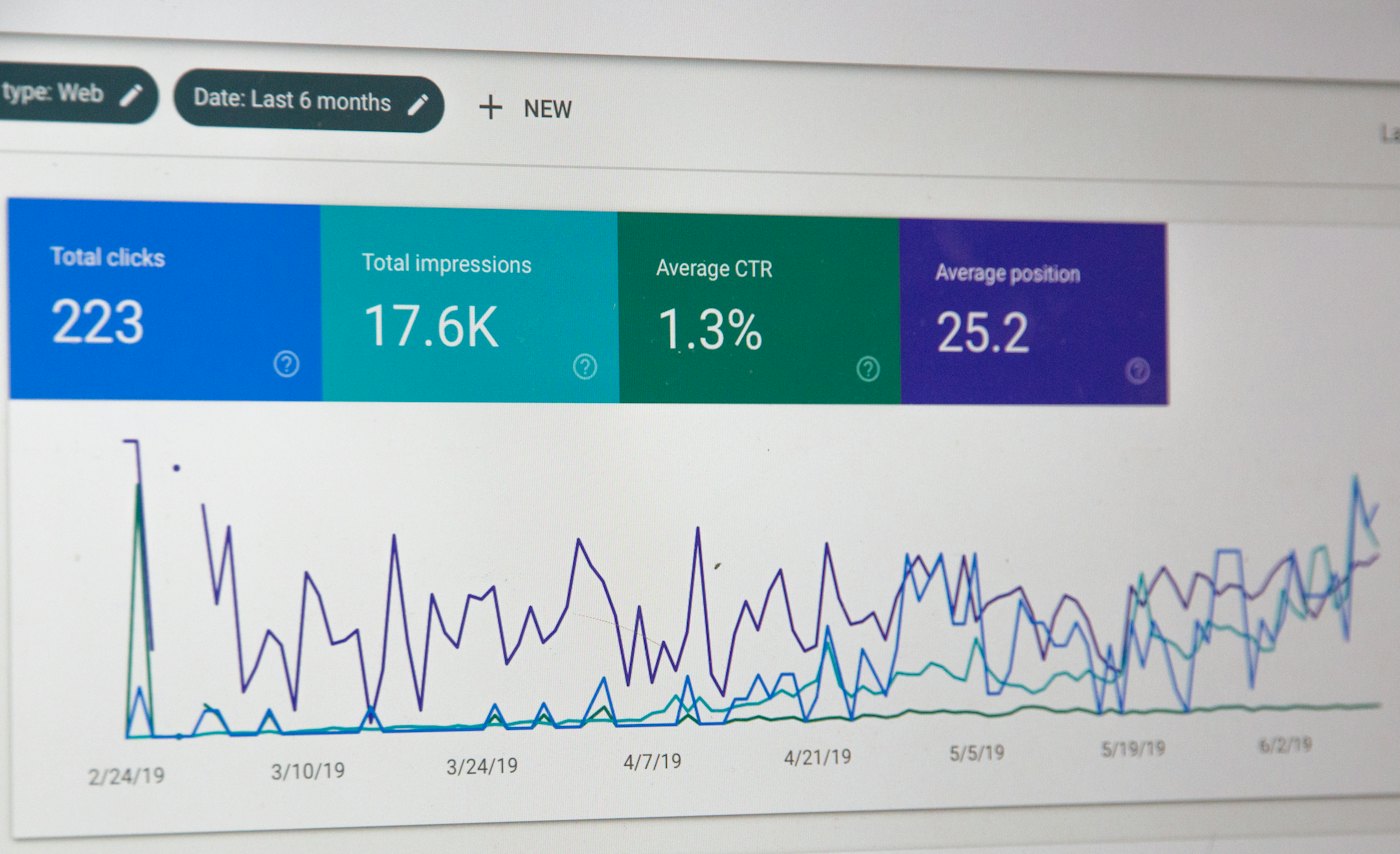
    A reporting dashboard showing a line chart and a set of totals.

What we do

Five practices, six service lines.

Most engagements draw on two or three of them at once, which is the point of having them in one place.

01

Advisory

Consulting, before anything gets built

The work that is cheapest to do before you commit to anything. We map how the business actually runs, we tell you what technology genuinely fits, and we tell you when the honest answer is that you do not need the thing you have asked for.

  • Discovery report, from interviews and observation, not a questionnaire
  • Selection matrix with the reasoning and the rejected options written down
  • Cost model and a dated delivery roadmap
  • Technical due diligence when you are buying a company, not building one

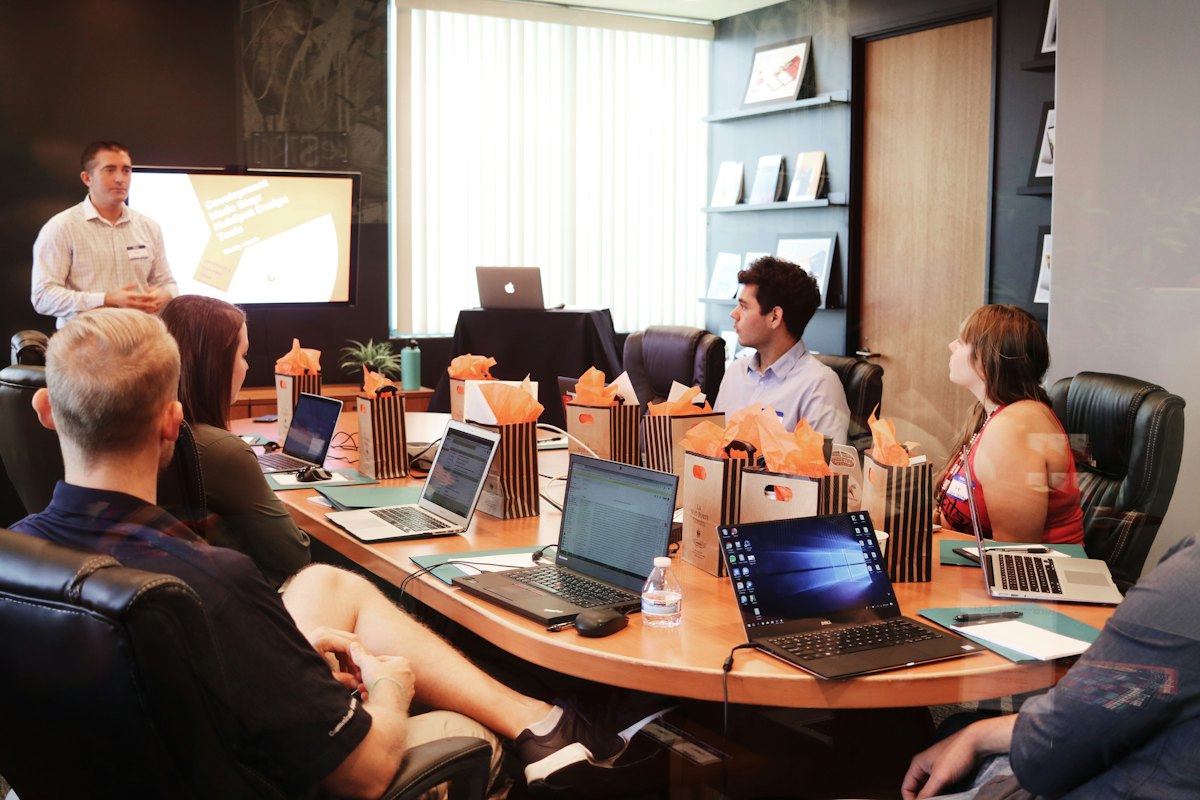
A working session around a long table, laptops open, papers spread out.

02

Business systems

ERP, selection through to steady state

Selection, implementation, and rescuing the implementation somebody else abandoned. We write the requirement specification before a licence is bought, rehearse the migration, and build the reporting your finance team will actually reconcile.

  • Requirement specification and licence recommendation
  • Migration plan with rehearsal runs before go-live
  • Custom modules where the standard model does not fit how you trade
  • Integration layer joining it to everything you already run
A team working together around a table with laptops.

03

Security

Assessment, hardening, and the audit

We assess the estate you actually run rather than the one in the diagram, rank the findings by what would actually hurt, and leave you a baseline you can maintain without us. When something has already gone wrong, we have done that too.

  • Vulnerability assessment with findings ranked by real exposure
  • Hardening baseline and a remediation plan you can hand to anyone
  • Audit readiness for ISO 27001 and SOC 2, with the evidence assembled
  • Incident response, and the post-incident review nobody skips
A quiet room with soft seating and a large window.

04

Product

Apps and web, built to be handed over

Mobile and internal applications, websites, web applications and the integrations that hold them together. Built to survive real use instead of a demo, and handed over with the code, the accounts, the infrastructure and the documentation.

  • Mobile apps, native or cross-platform
  • Offline-capable field and inventory tools
  • Web applications, portals and dashboards
  • A release pipeline your own people can ship from
Glass office towers seen from street level looking up.

05

Automation

The work between the systems

Quote to invoice, enquiry to CRM, alert to ticket, stock movement to reorder. We map the route, build it on a workflow platform, add the retries and the audit trail, and hand over the keys.

  • Workflow map and trigger design
  • Workflow build, APIs and webhooks
  • Error handling, retries and alerts
  • Audit trail and documented handover
A quote-to-invoice automation route A vertical workflow graph: a signed quote triggers enrichment, a condition sends high-value quotes to a human approval, and both routes write the invoice to the ERP before notifying finance and appending an audit entry. Trigger Quote signed Enrich CRM + line items Condition Value over 10k? Approval Finance Write to ERP Invoice created Notify + log Finance, audit trail
One route, documented and handed over.

Five stages. The same every time.

No stage is optional and none of them run on a timer. You always know which one you are in, because we tell you at the end of each.

  1. 1.0

    Day 0

    A conversation, free, thirty minutes

    You describe the problem in your own words and we ask inconvenient questions. If we are the wrong people, we say so on the call and usually name who is right.

    Hands writing notes beside an open laptop at a desk.
  2. 2.0

    Week 0 to 1

    Scoping, in writing

    What the work actually involves: what is certain, what is risky, what will cost more than you expect, and what it takes to reach a firm number rather than a range.

    A workbench with hand-drawn sketches, a multimeter and small components laid out.
  3. 3.0

    Week 1

    A proposal you can read in ten minutes

    Fixed scope, fixed price, dated milestones, and one named person who owns it. No hourly surprises, and no open-ended discovery phase that quietly becomes the invoice.

    An engineer in a hard hat working on an electrical panel.
  4. 4.0

    Every two weeks

    Delivery in short cycles

    You see working software every fortnight, not a status report describing it. When something changes you hear it that week, while there is still something to do about it.

    Two people working side by side in a commercial kitchen.
  5. 5.0

    Launch

    Handover, in full

    Documented, trained and transferred. You own the code, the accounts, the infrastructure and the documentation from day one. We stay reachable, without pretending that staying reachable is a retainer.

    A finished building at dusk with warm light inside and a lawn in front.

Start at stage 1.0 — call us.

4
People in the company
6
Service lines
30
Minutes on the first call
1
Working days to reply
A shop assistant taking a card payment across a counter from a customer.
Most of our clients are businesses like this one: small, busy, and one bad system day away from a very bad week.

Ways to work with us

Three shapes of engagement.

We will tell you which one you actually need instead of defaulting to billable hours. Pricing depends on scope and is quoted in writing before anything starts.

A short paid assessment

One to three weeks, fixed price

For when the problem is real but the answer is not yet written down.

We assess what exists, and you get a written report with findings, risks, options and a recommendation. If the recommendation is that you do not need us, that is what the report says.

You get: a report, a recommendation, and no obligation.

A fixed-price project

Scoped, dated, delivered in fortnightly cycles

The default.

One problem, one written scope, one price, milestone dates you can hold us to. Custom modules, an ERP rollout, a security remediation, or a product built from nothing.

You get: a date, a price, and working software every fortnight.

A monthly retainer

A standing block of engineering, rolling

For continuous work.

Maintenance, a standing security review, an embedded part of the team on your roadmap. A fixed monthly amount for an agreed amount of capacity, with the unused part rolled rather than invoiced.

You get: capacity you can plan around, and no procurement cycle.

The four of us

Four people. You work with all of them.

There is no account manager between you and the work. The person who scopes your engagement is the person who answers the phone six months after launch.

  • 01Founder and principal engineer

    Owns the engagement. The person who scopes your work, writes the proposal and answers the phone six months after launch.

  • 02ERP and integration architect

    Requirement specifications, data migration, custom modules and the integration layer that joins your ERP to everything around it.

  • 03Security engineer

    Vulnerability assessment, hardening, audit readiness and incident response. Also the person who argues with the architect when something ships that should not.

  • 04Product designer and front-end engineer

    Interface design, accessibility and the front end. Owns the parts of the build that a user will judge us on.

Names are being added. The roles are already fixed, because the work is already shaped around them.

Placeholder portrait: a photograph of a colleague, to be replaced before launch.
Placeholder portrait. This is stock, not one of us.

Client references, on request, under NDA.

We do not publish client names, logos or quotes on this site without written permission. What we will do is this.

  • Ask for references. Once you are past the scoping stage we will introduce you to clients in a comparable situation, under a mutual non-disclosure agreement, before you sign anything.
  • Talk to whoever you already work with. If we are doing work alongside another supplier, we will give you their name and their direct line so you can check us with them.
  • Ask us for the things we would not want published. Which projects went badly, which technology we would refuse now, and where our limit is. Ask on the first call.

Security notes

What we have found.

A short, anonymised record from assessments we have run. Client names and system details are withheld; the pattern is what matters.

  1. F-01

    [Finding title]

    [One sentence: what was exposed. No client name.]

    Where
    [Asset or system type]
    Status
    [Fixed / disclosed / monitoring]
  2. F-02

    [Finding title]

    [One sentence: what was exposed. No client name.]

    Where
    [Asset or system type]
    Status
    [Fixed / disclosed / monitoring]
  3. F-03

    [Finding title]

    [One sentence: what was exposed. No client name.]

    Where
    [Asset or system type]
    Status
    [Fixed / disclosed / monitoring]

Full notes are available under NDA. We do not name a client without written permission, and we do not publish a finding we have not closed or disclosed. Ask for the current notes.

Questions we get on the first call.

Do you work alongside our existing supplier?

Often. We will give you their name and their direct line so you can check us with them. Where two suppliers cover the same ground we will say so in writing rather than find out later.

Who actually does the work?

The four people whose names and roles are listed above. You will not get a project manager, a junior, or a subcontractor.

What does it cost?

We do not publish a price list because every engagement is scoped. You get a number in writing before anything starts, and it does not move unless you change the job.

How long does it take?

A first assessment is one to three weeks. Delivery runs in fortnightly cycles so you see working software early rather than at the end.

Do we own what you build?

Yes, from day one. Your code, your accounts, your infrastructure, your documentation.

What if we are not the right people?

We will say so on the call and usually name who is right. If the cheapest thing you can do is nothing at all for another six months, that is what we will write down.

Tell us what is not working.

Describe the problem in your own words, as messily as you like. You will get a person, not a ticket number, and a straight answer about whether we are the right people.

Telephone

+00 000 000 0000

Monday to Friday, 09:00 to 18:00

Email

hello@weaionlabs.com

We reply to every enquiry within one working day.

Based

City and country

weaionlabs.com